Joint & Soft Tissue Injections
Back to Diagnostic Services
Joint and soft tissue injections are medical procedures where medications are injected directly into a joint (e.g., knee, shoulder) or surrounding soft tissues (e.g., tendons, ligaments) to reduce pain and inflammation, improve mobility, and aid in the healing process.
What types of medications are used in these injections?
Common medications used in joint and soft tissue injections include:
- Corticosteroids: To reduce inflammation and pain.
- Local Anesthetics: To provide immediate but temporary pain relief.
How should I prepare for my injection?
To prepare for your injection:
- Inform your clinician about any medications you are taking, including over-the-counter drugs and supplements.
- Avoid taking blood-thinning medications before the injection, if advised by your doctor.
- Wear comfortable clothing that allows easy access to the injection site.
- Inform your clinician if you have any allergies or a history of allergic reactions.

What can I expect during the procedure?
- Preparation: The injection site will be cleaned with an antiseptic solution.
- Anaesthesia: A local anaesthetic may be used to numb the area.
- Injection: The medication will be injected into the joint or soft tissue using a fine needle. The procedure usually takes only a few minutes.
- Post-Injection: You may be asked to rest for a short period and avoid strenuous activity for the remainder of the day.
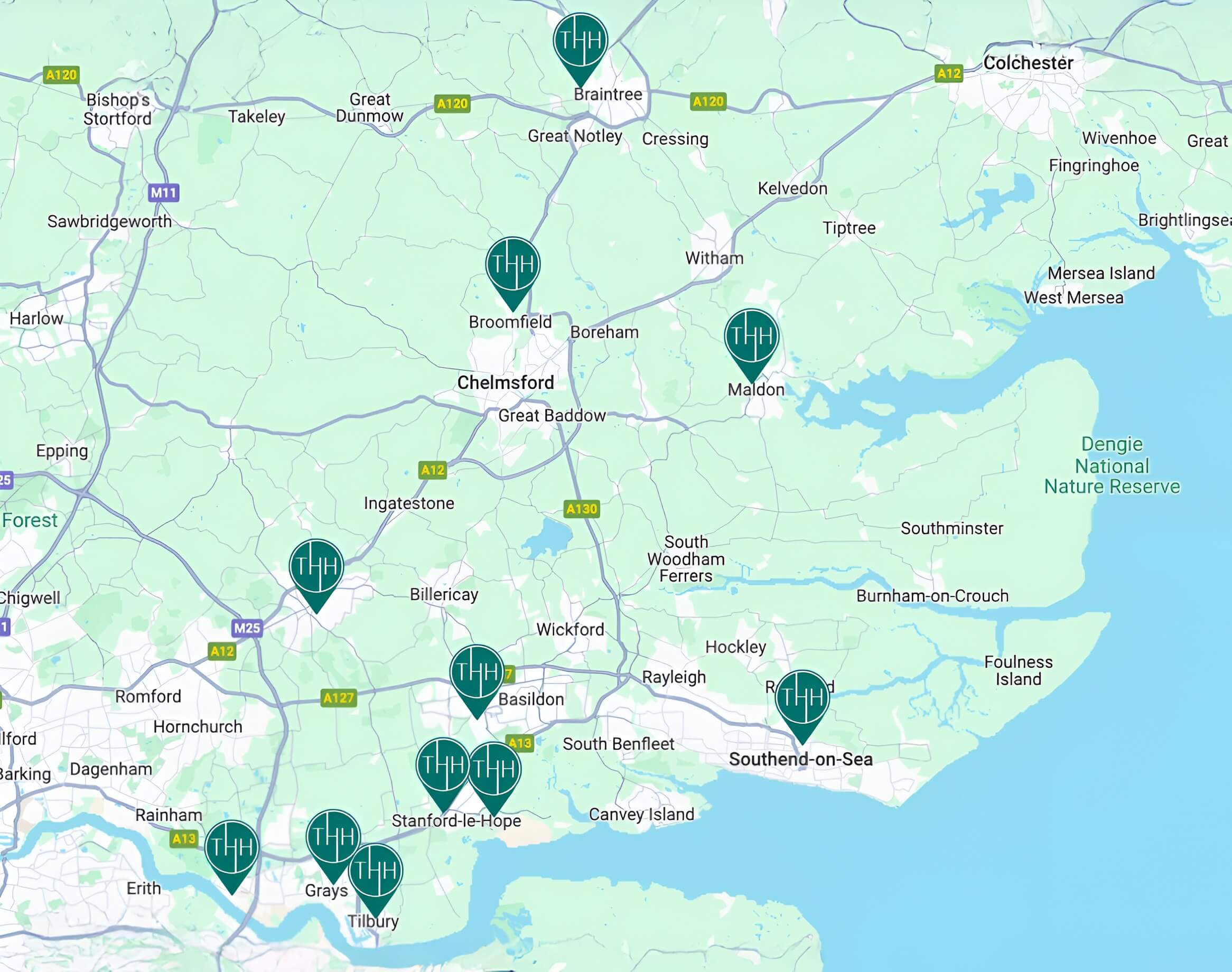
Thrive Health Hubs operate a variety of clinics across the borough, offering both NHS and private healthcare services.
Frequently asked questions
Get answers to common questions that patients have about our services
Is the injection procedure painful?
Most patients experience minimal discomfort during the injection procedure. A local anaesthetic is often used to numb the area, and the fine needle helps reduce pain. You might feel a slight pressure or pinch at the injection site.
What should I do after the injection?
- Rest the injected area for the first 24 hours.
- Avoid heavy lifting or strenuous activity for a few days.
- Apply ice to the injection site to reduce swelling if recommended by your doctor.
- Follow any specific instructions provided by your healthcare provider.
Are there any side effects or risks?
Common side effects include:
- Temporary pain or discomfort at the injection site
- Swelling or bruising
- Infection (rare)
- Allergic reaction to the injected medication (rare)
Your clinician will discuss potential risks and side effects with you before the procedure.
How quickly will I see results from the injection?
The time frame for experiencing relief varies. Some patients feel immediate relief due to the local anaesthetic, while the full effects of corticosteroids or other medications may take a few days to a week. The duration of relief can vary from several weeks to months.
How often can I receive joint or soft tissue injections?
The frequency of injections depends on the specific condition being treated and the type of medication used. Corticosteroid injections are typically limited to a few times a year to avoid potential side effects. Your clinician will provide a personalized treatment plan based on your needs.
Can I continue other treatments while receiving injections?
Yes, joint and soft tissue injections are often part of a comprehensive treatment plan that may include physical therapy, exercise, and other medications. Always inform your healthcare provider about all treatments you are receiving to ensure coordinated care.
When should I contact my doctor after an injection?
Contact your GP if you experience:
- Severe pain or swelling at the injection site
- Signs of infection (redness, warmth, fever)
- Any unusual or concerning symptoms.
Need more help? Please chat to our friendly team.